
News
24 st
2026.01
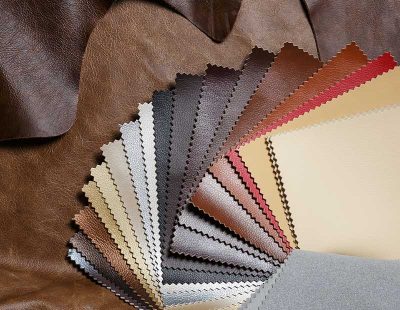
What Global Buyers Expect from a Professional Leather Goods Manufacturer
Global buyers today expect more than production capability. Professional manufacturers must offer consistency, compliance, and proactive communication. Quality management systems, transparent workflows, and material compliance are essential. Buyers also value responsiveness, clear documentation, and reliable lead times. Manufacturers who understand international markets and buyer expectations build stronger, long-term partnerships. Professionalism, trust, and adaptability define successful global cooperation. Meeting these expectations positions manufacturers as strategic partners rather than interchangeable suppliers.
View More
24 st
2026.01
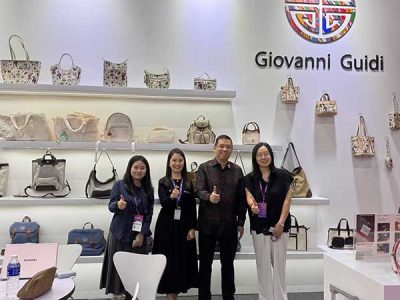
How Digital Manufacturing Improves Consistency and Delivery Reliability
Digital manufacturing systems are transforming traditional leather goods production. By integrating digital tools into planning, tracking, and quality control, manufacturers achieve higher consistency and transparency. Digital systems enable real-time production monitoring, standardized workflows, and traceable material usage. These features reduce human error and improve coordination across departments. For buyers, digital manufacturing means predictable timelines, consistent quality, and greater confidence in delivery commitments. It also supports long-term cooperation by creating transparency and accountability. As global supply chains become more complex, digital manufacturing is becoming a standard expectation rather than a competitive advantage.
View More
20 st
2026.01

Understanding Leather Materials: A Practical Guide for Buyers
Leather selection directly impacts product quality, durability, and brand perception. However, many buyers struggle to differentiate between various leather types and their applications. Common materials include cow leather for durability, calfskin for smooth texture, lambskin for softness, and specialty leathers for premium positioning. Each material has distinct characteristics that influence cost, appearance, and performance. Beyond leather, alternative materials such as PU, recycled leather, canvas, and nylon are increasingly used for sustainability, cost control, and specific functional needs. Understanding material properties allows buyers to make informed decisions that align with product positioning, target markets, and long-term brand strategy.
View More
05 st
2026.01
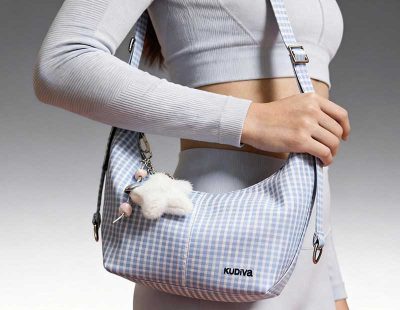
Building a Leather Goods Collection, Not Just a Single Product
Successful brands focus on collections rather than isolated products. A well-planned collection creates visual consistency, balanced pricing, and stronger market impact. Collection development involves aligning materials, colors, structures, and functions across multiple products. This approach enhances brand identity and improves merchandising opportunities. OEM/ODM partners with brand and design experience help clients plan cohesive collections rather than disconnected items. This strategic approach increases commercial viability and simplifies future product expansion. Thinking in collections supports sustainable brand growth and long-term market presence.
View More
11 st
2025.12
Why Sampling Speed Is Critical in Leather Goods Development
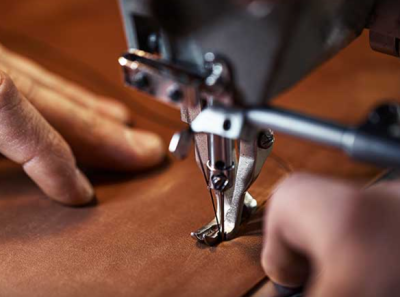
Sampling speed plays a vital role in product development efficiency. In fast-moving fashion and lifestyle markets, delays in sampling can result in missed selling seasons and lost opportunities. Efficient sampling allows brands to evaluate designs early, make informed adjustments, and move confidently into production. Fast turnaround also supports trend-driven development, where timing is a competitive advantage. Manufacturers with structured sampling processes, experienced technicians, and clear communication significantly reduce development cycles and improve success rates. Sampling speed is not just about speed—it reflects the overall professionalism and capability of an OEM/ODM partner.
View More
18 st
2025.11
OEM vs ODM: Which Model Is Right for Your Leather Goods Business?
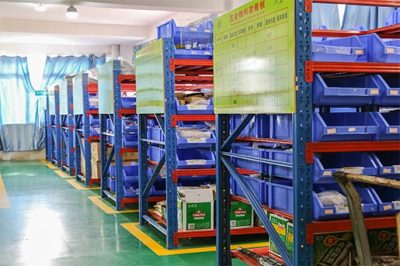
OEM and ODM models serve different business needs. OEM focuses on manufacturing based on client-provided designs, offering control and customization. ODM includes design and development support, ideal for brands seeking faster market entry. Early-stage brands often benefit from ODM services, leveraging manufacturer expertise to reduce development risks. Established brands may prefer OEM to maintain design control while outsourcing production. Understanding these models helps businesses choose the right cooperation structure based on resources, timelines, and strategic goals. Selecting the appropriate model improves efficiency and aligns manufacturing support with business objectives.
View More
12 st
2025.11
Common Mistakes Brands Make When Developing Leather Products
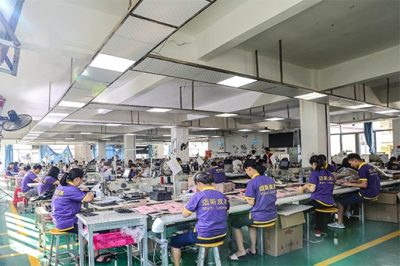
Many leather product launches fail due to avoidable development mistakes. One common issue is unclear positioning—without a defined target market and price range, product decisions become inconsistent. Another frequent mistake is inappropriate material selection. Choosing materials based solely on appearance or cost without considering durability, usage scenarios, and compliance standards often leads to quality issues and customer dissatisfaction. Insufficient sampling and rushed approvals also increase risk. Skipping thorough testing can result in structural flaws or performance problems during mass production. Working with experienced OEM/ODM partners helps brands avoid these pitfalls by providing professional guidance, realistic timelines, and structured development processes.
View More
24 st
2025.10
How to Choose the Right OEM/ODM Partner for Leather Goods
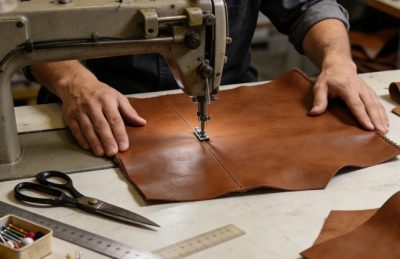
Choosing the right OEM/ODM partner is a strategic decision that directly affects product quality, development efficiency, and long-term brand growth. In leather goods manufacturing, where materials, craftsmanship, and design precision matter, selecting the wrong supplier can lead to delays, quality issues, and reputational risks. Beyond pricing, buyers should evaluate a manufacturer’s production stability, quality control systems, and communication capability. A reliable OEM/ODM partner operates with standardized workflows, consistent output, and transparent project management. These factors ensure predictable results across multiple production cycles. Design and development support is another critical consideration. Manufacturers with in-house design teams can assist in structure optimization, material selection, and cost balance—reducing development risks and improving market readiness. This capability is especially valuable for brands launching new collections or entering new markets. Ultimately, the best OEM/ODM partners act as long-term collaborators rather than short-term suppliers. They understand brand positioning, anticipate challenges, and contribute to sustainable growth through reliable execution and professional insight.
View More